
In today's competitive real estate market, crafting compelling property descriptions is no longer just a writing exercise-it's a strategic SEO for real estate listings imperative. With countless listings vying for buyers' attention, a poorly written description can quickly sink a property's online exposure, while a well-crafted one can significantly boost its visibility. This article examines the art and science of writing property descriptions that not only captivate readers but also align with best SEO practices, ensuring your listings dominate local search results. We'll explore strategies, quick wins, and long-term solutions, providing you with actionable insights to maximize the reach of every property listing.
- Understand Your Target Audience: Tailor to Buyers/Renters
- Uncover Unique Selling Points: Feature Key Amenities
- Optimize for Search Engines: Keyword Research for Real Estate
- Craft Engaging Copy: Write Captivating Property Descriptions
- Include Essential Details: Room Dimensions, Features, Upgrades
- Use High-Quality Media: Photos, Videos Enhance Listings
- Encourage Interactive Content: 360 Tours, Virtual Staging
- Monitor and Update: SEO Performance for Real Estate Listings
Understand Your Target Audience: Tailor to Buyers/Renters

Understanding your target audience is crucial for writing compelling property descriptions that maximize exposure. Whether you're catering to first-time homebuyers, young professionals, or retirees, tailoring your language and emphasis to their needs and preferences is key. A description aimed at young families might highlight the proximity to schools and parks, while one targeting empty nesters could emphasize the home's size and the benefits of a quiet neighborhood.
When crafting these descriptions, budget-friendly SEO for real estate listings should be a top consideration. Incorporate relevant keywords naturally, focusing on what potential buyers and renters are actually searching for. Remember, the goal is to balance search engine optimization with a description that resonates with your audience. Top-rated real estate SEO agencies reviewed for their expertise can provide valuable insights, but it's essential to maintain a clear, authentic voice that speaks directly to your target demographic.
Niche market real estate SEO strategies can also be highly effective. If you're targeting a specific community, like a historic district or a retirement community, tailor your descriptions to reflect that unique character. "this charming Victorian home in the heart of the historic district offers a step back in time with its original details and quiet, tree-lined street" not only highlights features but also captures the essence of a niche market. This approach not only attracts the right audience but also improves your SEO performance in those specific searches.
By understanding and addressing the needs of your target audience, you can craft property descriptions that not only attract potential buyers and renters but also enhance your online presence, leading to quicker results and greater market dominance in the competitive world of real estate listings.
Uncover Unique Selling Points: Feature Key Amenities

When crafting compelling property descriptions that enhance SEO for real estate listings, uncovering and highlighting unique selling points (USPs) is paramount. Among these, key amenities stand out as powerful tools to engage potential buyers and boost online visibility. In 2023, real estate SEO trends for agents underscore the importance of detailed, accurate descriptions that paint a vivid picture of what makes each property unique.
Consider the following: a property with a private pool might not be uncommon, but emphasizing the high-end finish, energy-efficient design, or the soothing ambiance it creates could be a major improvement. Similarly, a listing that includes a smart home system shouldn't simply state its presence; detail the security features, energy savings, or the convenience it offers. These specifics not only enrich the description but also attract buyers who value such amenities. Top-rated real estate SEO agencies reviewed by industry experts consistently recommend prioritizing these USPs to elevate a listing among the competition.
Instead of a generic "the house has a deck," consider "enjoy morning coffee on the spacious, multi-level deck with built-in seating and a fire pit, perfect for cool evenings outdoors." This approach not only highlights a key amenity but also injects life into the description, appealing to buyers who seek not just a property but an experience. By weaving these details into every property description, agents can significantly enhance the online presence of real estate listings, achieving quick results while laying the foundation for long-term market dominance in the competitive world of near me real estate listings SEO.
Optimize for Search Engines: Keyword Research for Real Estate
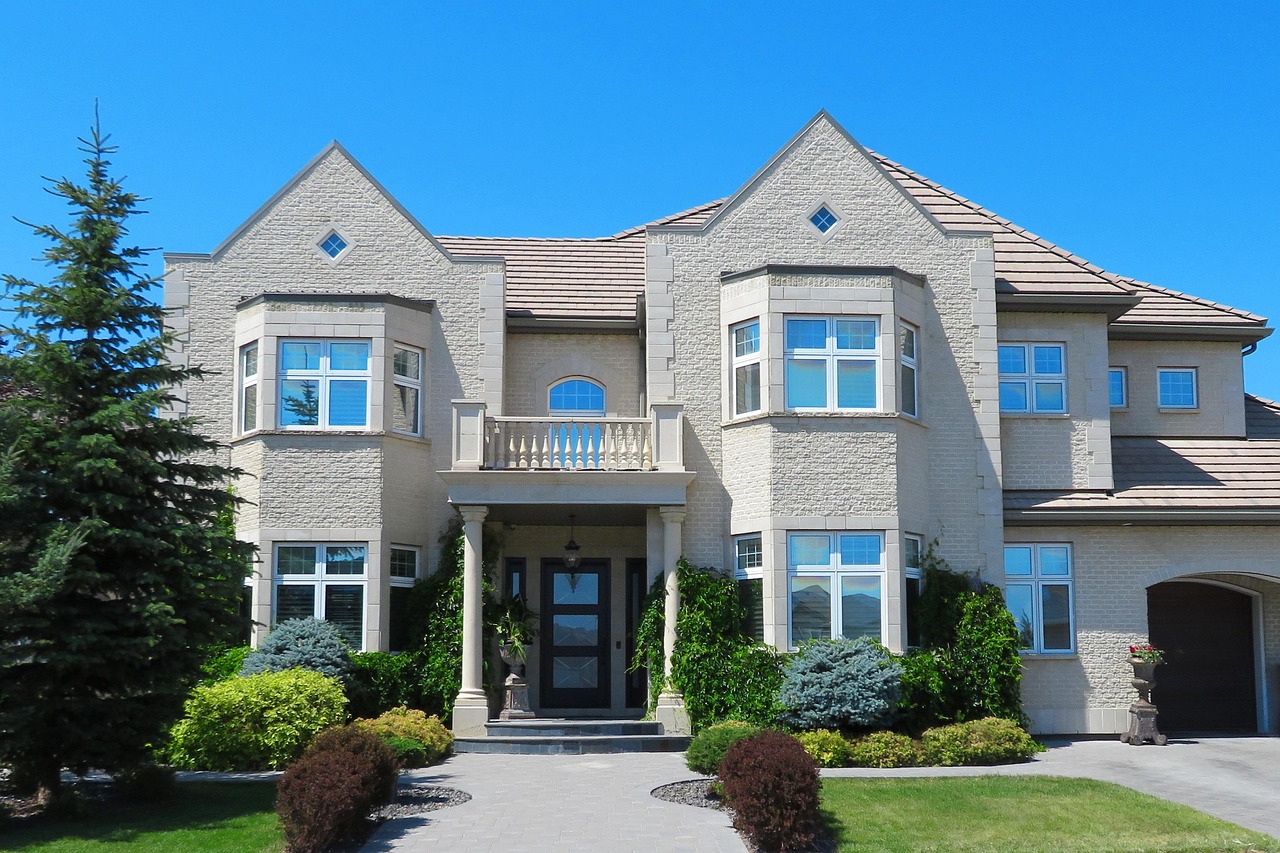
Optimizing your property descriptions for search engines is a critical step in achieving maximum exposure for your real estate listings. SEO for real estate listings isn't about stuffing keywords; it's about understanding how potential buyers search for properties and tailoring your content to match their queries. A comprehensive checklist for SEO-optimized websites should include relevant keywords, meta descriptions, and compelling, unique content that engages readers while ranking highly in search results.
Start by identifying the keywords that your target audience is likely to use when searching for properties. Tools like Google Keyword Planner can provide insights into popular search terms related to real estate. Consider the phrase "luxury condos for sale near me." Incorporate these keywords naturally into your property descriptions, focusing on the unique features that align with the searcher's intent. When crafting descriptions, think about what makes each property special and convey that information in a way that resonates with potential buyers.
Increasing traffic to real estate listings is a top priority, and same-day exposure can make a significant difference. To achieve this, ensure that each listing is accompanied by a detailed, keyword-rich description that highlights the property's best assets. If a property has recently undergone a renovation, include that detail prominently. Not only will this attract more viewers, but it will also help establish your listings as current and desirable, further enhancing their online presence.
Focus on building trust through consistent, high-quality content. A certified real estate SEO expert can provide valuable insights into crafting property descriptions that not only attract but also retain the interest of potential buyers. They can help you create a comprehensive strategy that includes regular updates and fresh content, thereby maintaining and increasing your online visibility. Remember, SEO for real estate listings is an ongoing process that requires regular review and refinement to keep up with market trends and search engine algorithm changes.
Craft Engaging Copy: Write Captivating Property Descriptions

Crafting engaging property descriptions is a powerful strategy to boost the exposure of your new real estate listings and gain a significant advantage in the competitive online market. This is where SEO for real estate listings truly comes into play, helping your properties stand out and attract potential buyers. When optimizing your website content, remember that the goal is to engage and inform, not just rank higher.
A compelling description goes beyond a simple list of features. It tells a story, paints a picture, and evokes a sense of place. Instead of merely stating "3-bedroom house with a backyard," consider describing the "cozy, family-friendly home with a private oasis in the back, perfect for summer barbecues." This approach not only highlights the property's attributes but also creates a mental image for the reader, making them more likely to envision themselves living there. Incorporate sensory details, unique selling points, and the benefits that come with owning the property.
When optimizing for SEO, ensure your descriptions are unique and tailored to each listing. Use keywords naturally, focusing on the aspects that are most relevant to potential buyers searching for properties like these. For budget-friendly SEO for real estate, this means optimizing your existing content rather than spending on extensive rewrites. Revisit and refine your descriptions regularly, especially when there's a new listing or a market trend shift. This dynamic approach to content creation ensures your real estate website remains relevant and engaging, providing a competitive edge that goes beyond mere search engine rankings.
By implementing these strategies, you can optimize real estate websites for SEO while creating content that captivates and converts. Remember, the goal is to enhance the user experience while showcasing your properties in the best light, ultimately leading to more inquiries and sales.
Include Essential Details: Room Dimensions, Features, Upgrades

Writing compelling property descriptions is a crucial aspect of SEO for real estate listings, ensuring your properties gain maximum exposure and attract the right audience. When crafting these descriptions, it's essential to include essential details that go beyond a simple room count. Providing precise and engaging information about room dimensions, notable features, and any recent upgrades can significantly enhance your listings' online performance.
Consider the following: a potential buyer searching for a three-bedroom home in your area is more likely to click on a listing that immediately addresses their needs. Instead of a generic "spacious master suite," include specific details like "the master bedroom measures 14' x 12' with an en-suite bathroom featuring dual vanities and a soaking tub." This data-driven real estate SEO approach not only provides a clear picture to the reader but also allows search engines to better understand the content of your listings.
Keyword research matters in optimizing your property descriptions. Tools like Google Keyword Planner can help identify relevant keywords with significant search volume. Incorporate these keywords naturally throughout your descriptions, focusing on terms that describe specific features, like "granite countertops," "energy-efficient appliances," or "hardwood floors." By outranking competitors in the search results for these keywords, you can increase your visibility and attract more potential buyers. Remember, the goal is to provide valuable information while subtly integrating SEO strategies for real estate listings.
Use High-Quality Media: Photos, Videos Enhance Listings

Creating compelling property descriptions is a crucial element of effective SEO for real estate listings. High-quality media, particularly photos and videos, play a pivotal role in enhancing the exposure of your listings. These visual elements not only capture the attention of potential buyers but also provide a more comprehensive understanding of the property. When optimizing your listings, remember that quality trumps quantity. While it's tempting to include every detail, focus on delivering clear, concise, and visually appealing content.
Photos and videos should be professionally shot, highlighting the best features of the property. Showcase the spacious living areas, stunning kitchen, or picturesque outdoor spaces. Remember, the goal is to evoke a sense of desire and curiosity, encouraging potential buyers to learn more. By integrating multimedia content, you can convey the property's unique selling points more effectively than text alone. This data-driven real estate SEO approach ensures that your listings are not only visually appealing but also optimized for search engines, increasing the likelihood of ranking higher in relevant searches.
In today's fast-paced market, emergency SEO for real estate listings can make a significant difference. While implementing a comprehensive strategy is ideal, quick wins can provide immediate relief. High-quality media serves as a powerful tool for this purpose. Even a single, captivating photo or short video can significantly boost a listing's visibility. This is especially crucial for time-sensitive listings or in markets with high competition. By prioritizing quality visuals, you can quickly enhance the online presence of your properties, ensuring they stand out in the crowd.
When conducting keyword research for real estate listings, incorporate relevant terms that potential buyers might use when searching for properties. Consider location-specific keywords, property types, and unique features. This research should guide your photo and video content, ensuring that your media aligns with the keywords you're targeting. If a listing features a stunning view, capture and highlight that aspect in your visuals. By aligning your SEO strategies with your media content, you create a cohesive and effective approach to maximizing exposure for your real estate listings.
Encourage Interactive Content: 360 Tours, Virtual Staging

To maximize the exposure of new real estate listings, incorporating interactive content like 360 tours and virtual staging is a strategic move. These immersive experiences not only engage potential buyers but also offer a more comprehensive view of the property, potentially increasing interest and offers. When optimized for SEO, these elements can significantly boost a listing's online presence, making them essential components of a reliable SEO strategy for real estate success.
A 360 tour allows viewers to navigate through a property as if they were physically present, providing a detailed understanding of the layout and unique features. Virtual staging, on the other hand, lets you showcase a property's potential by visualizing how it could look after renovations or re-purposing. Both techniques can be powerful tools to create a more appealing listing, especially for buyers who rely heavily on online resources. By integrating these interactive elements seamlessly into your property descriptions, you're not just enhancing the user experience-you're also adding valuable SEO value.
Consider crafting a detailed yet engaging description that highlights the interactive content. "Step inside this beautifully renovated condo through our immersive 360 tour, where you'll appreciate the open floor plan and stunning cityscape views. The virtual staging showcases the potential for a home office, making this space perfect for today's remote workers." This approach not only entices potential buyers but also ensures your SEO-optimized website includes the necessary metadata and alt text for these interactive features, further boosting your online visibility.
A comprehensive checklist for SEO-optimized websites should include specific instructions for integrating interactive content. This checklist should guide real estate professionals on best practices, such as using descriptive and keyword-rich titles, optimizing image file names, and ensuring each media element is properly linked to the property description. By following these practices, you'll create a robust online presence that enhances the visibility of your listings, attracts more qualified leads, and ultimately drives more successful sales.
Monitor and Update: SEO Performance for Real Estate Listings

To maximize the exposure of your real estate listings in 2023, continuous monitoring and optimization of your SEO performance is crucial. Reliable SEO solutions for real estate success hinge on understanding how search engines evolve and adapt to market trends. The landscape of real estate SEO is dynamic, with new algorithms and consumer behaviors emerging each year. Voice search and local SEO have seen significant growth, highlighting the need for optimized property descriptions that cater to these changes.
A key aspect of this strategy is regularly reviewing and updating your property listings' metadata. This includes titles, descriptions, and tags, which play a vital role in how your listings are indexed and ranked. To achieve this, ensure your descriptions are not only informative but also engaging, addressing the specific needs and preferences of your target audience. If your target market includes first-time homebuyers, emphasize the benefits of the neighborhood, such as top-rated schools or easy access to public transport.
While technical SEO aspects like keyword research and backlinking are essential, the content on your listings matters equally, if not more. A well-crafted property description can significantly enhance your listing's search engine visibility. Monitor your SEO performance using tools like Google Analytics and Search Console. Analyze which descriptions are driving the most traffic and conversions. Use this data to inform your content strategy and continuously refine your property listings for better search engine rankings and increased exposure.
Frequently Asked Questions About How to Write Compelling Property Descriptions for Maximum Exposure
What is the primary goal of a property description?
The primary goal is to attract potential buyers or renters by painting a vivid, accurate, and enticing picture of the property. It should highlight the key features and benefits, address target audiences, and effectively communicate why this property is unique and desirable.
How does keyword optimization fit in?
Keyword optimization involves strategically integrating relevant keywords throughout your description. Think of keywords as the property's unique selling points-words that potential clients might use to search for properties like yours. Incorporate these naturally, focusing on the benefits and features that truly matter to your target audience.
What makes a property description compelling?
A compelling description is detailed, engaging, and relevant. It tells a story about the property, focusing on the senses-what they see, hear, smell, and even feel. Go beyond simple listing; paint a mental image that evokes emotion and inspires action. Use strong verbs, vivid adjectives, and consider including a call to action to encourage inquiries or visits.
How long should a property description be?
The ideal length varies, but a good rule of thumb is to aim for 300-500 words. This allows you to cover all essential details while keeping the content digestible. Remember, quality over quantity-a shorter, well-crafted description can be more effective than a lengthy but unfocused one.
Should I include all the technical details?
While important, technical details like square footage, number of bedrooms, and age shouldn't dominate the description. These facts are crucial for transparency, but let them serve the story rather than dominate it. Focus on the experience and lifestyle the property offers, not just its specifications.
How can I make my descriptions unique?
Uniqueness comes from personalization. Share what makes this property special to its neighborhood, its history, or any unique features. Mention a recently renovated kitchen if it stands out, or highlight a stunning view that's a rare find. Local insights and unique angles make your descriptions memorable.
What should I do if I'm describing a complex property?
For intricate properties, break down the description into sections. Use headings and subheadings to highlight different areas or features. This makes the content easier to read and digest, ensuring potential buyers or renters can quickly find what they're looking for.
Crafting compelling property descriptions that optimize for SEO in real estate listings is a multifaceted strategy. By understanding your target audience, uncovering unique selling points, and incorporating essential details, you can create engaging content that attracts potential buyers and renters. Utilizing high-quality media, interactive content, and regularly monitoring and updating your listings further enhances exposure.
Key insights include tailoring descriptions to specific buyer or renter profiles, leveraging keyword research for better search engine rankings, and incorporating captivating copy that highlights key amenities and upgrades. Essential details such as room dimensions and features contribute to transparency and trust, while multimedia elements like photos and videos provide a more immersive experience.
Practical next steps include implementing a comprehensive SEO strategy for real estate listings, integrating local and niche keywords effectively, and consistently updating property descriptions to reflect current market trends and amenities. Encouraging interactive content like 360 tours and virtual staging can also significantly boost engagement and conversion rates.
By following these guidelines, real estate professionals can maximize the exposure of their listings, attract a broader audience, and ultimately drive more successful transactions. The article's insights and strategies, grounded in best practices and real-world examples, offer a solid foundation for enhancing SEO in real estate listings.
Summary:
Craft compelling property descriptions for maximum SEO exposure in the real estate market. Tailor language and emphasis to target audience needs, incorporating relevant keywords naturally. Prioritize unique selling points (USPs) with detailed descriptions, including amenities and recent upgrades. Use specific room dimensions and notable features to enhance online performance.
Integrate high-quality media, focusing on professional photos and videos that showcase property strengths. Implement interactive content like 360 tours and virtual staging for immersive experiences. Continuously monitor and optimize SEO performance, adapting to evolving search engine trends and consumer behaviors.
Regularly update metadata, analyze data from analytics tools, and refine listings for better rankings and exposure. Balance search engine optimization with a clear, authentic voice that resonates with your target demographic.